Shop By Brands
 All Products
 Sales and Support
Spoon Excavators Design, Sizes, and Usage Tips
Spoon Excavators Design, Sizes, and Usage Tips
Spoon Excavators Design, Sizes, and Usage Tips
Spoon excavators are essential hand instruments used in dentistry for removing soft, infected, and decayed dentin from cavities during restorative procedures. These instruments feature a small, spoon-shaped working end designed to provide controlled excavation while helping dental professionals preserve healthy tooth structure. Their simple design, comfortable handling, and precise working ends make them a valuable part of everyday dental practice.
Available in different sizes, shapes, and working-end configurations, spoon excavators allow dentists to select suitable instruments according to cavity dimensions and clinical requirements. Understanding their design, available sizes, and correct usage techniques can help dental professionals improve handling and procedural efficiency. At Oral Health Cart, dental professionals can explore essential dental instruments and equipment to support their clinical needs.
Understanding Spoon Excavators: Design and Key Features
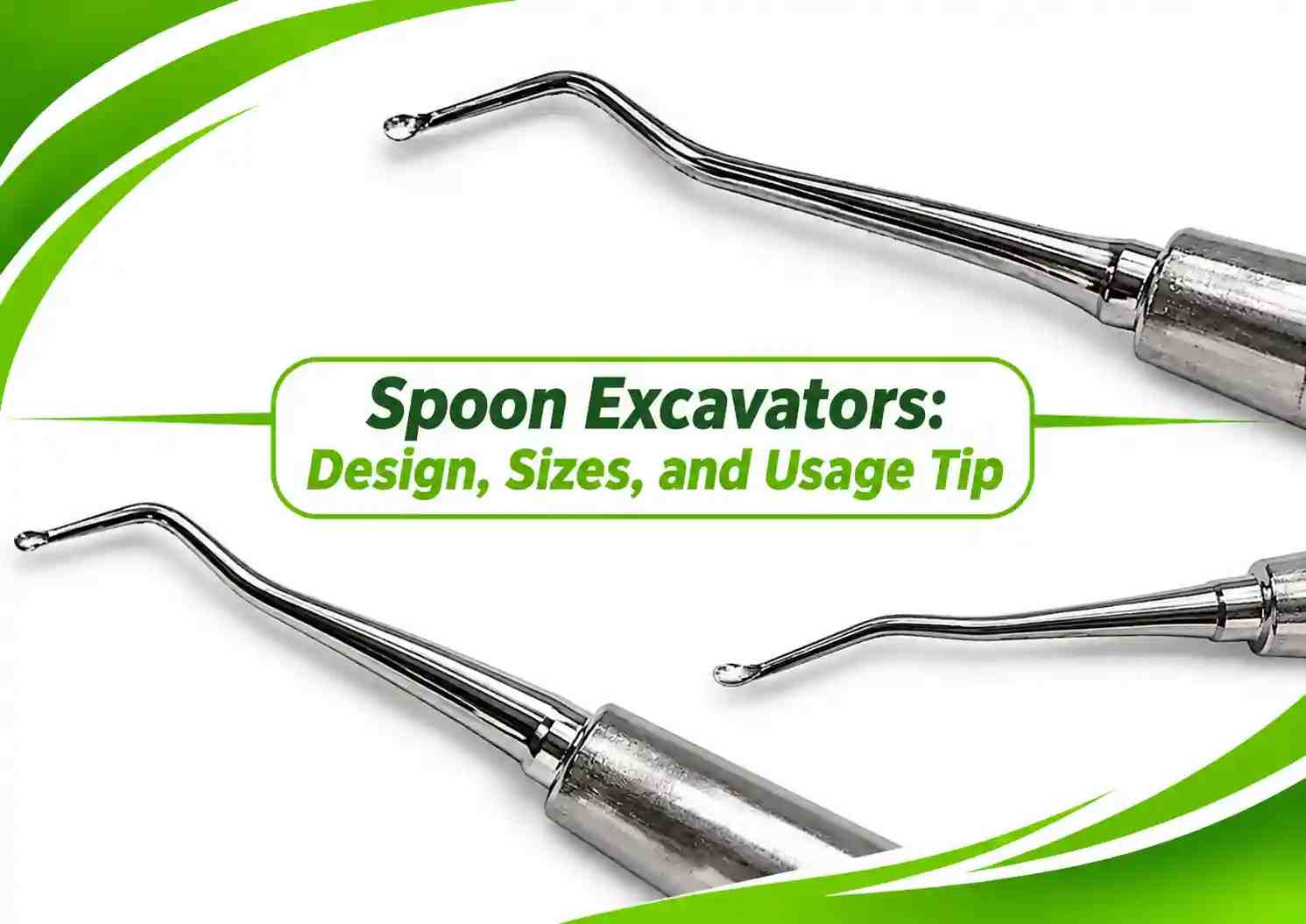
A spoon excavator is a manually operated dental instrument primarily used for removing softened carious dentin from prepared cavities. It generally consists of a handle, a shank, and one or two spoon-shaped working ends. The working end has a curved design with a sharp or semi-sharp cutting edge that helps remove decayed tooth material through controlled scraping movements.
The instrument is designed to provide tactile feedback, allowing dentists to assess the consistency of dentin while removing affected tissue. Its shape also helps professionals reach certain areas inside cavities where larger instruments may be difficult to manoeuvre.
Some important design features of spoon excavators include:
-
Spoon-Shaped Working End: The curved working end helps scoop out softened dentin and remove debris from cavity preparations.
-
Ergonomic Handle: A comfortable handle supports a stable grip and better control during clinical procedures.
-
Angled Shank: The shank connects the handle to the working end and provides access to different areas of the prepared cavity.
-
Single or Double Ends: Some spoon excavators feature working ends on both sides, offering different orientations for clinical convenience.
-
Stainless Steel Construction: Many instruments are manufactured using medical-grade stainless steel to support durability and repeated sterilisation according to manufacturer instructions.
The overall design helps dental professionals perform controlled excavation while maintaining access and visibility during restorative procedures.
Different Sizes of Spoon Excavators and Their Applications
Spoon excavators are available in different sizes and working-end shapes to accommodate varying cavity dimensions and clinical situations. Selecting the appropriate size is important for maintaining control and accessing the affected area effectively.
-
Small Spoon Excavators: These instruments feature narrower working ends and are useful for accessing small cavities, confined areas, and delicate excavation requirements.
-
Medium Spoon Excavators: Medium-sized instruments are commonly used for routine cavity preparation and removal of softened dentin from moderately sized cavities.
-
Large Spoon Excavators: Larger working ends can help remove softened dentin from broader cavity areas where more surface coverage is required.
-
Angled Spoon Excavators: These instruments have specially angled working ends that help improve access to difficult-to-reach areas inside the tooth.
-
Double-Ended Spoon Excavators: These instruments provide two working-end configurations in a single instrument, offering flexibility during different excavation procedures.
The exact dimensions and size classifications may vary between manufacturers. Dental professionals should select instruments based on cavity accessibility, the extent of caries, and individual clinical requirements rather than relying on size labels alone.
Usage Tips for Effective and Safe Spoon Excavation
Proper handling and technique are important when using spoon excavators. Although these instruments are straightforward to operate, careful movements and appropriate pressure help support controlled removal of decayed dentin.
-
Select the Appropriate Size: Choose a working end that fits comfortably inside the cavity without causing unnecessary contact with surrounding tooth structures.
-
Maintain a Stable Grip: Use a comfortable modified pen grasp to improve control and tactile feedback during excavation.
-
Apply Controlled Pressure: Use gentle scraping movements rather than excessive force to remove softened dentin and minimise unnecessary removal of healthy tooth structure.
-
Maintain Proper Visibility: Ensure adequate lighting and access to the cavity throughout the procedure.
-
Inspect the Excavated Area: Evaluate the remaining dentin clinically and follow current caries-management principles rather than attempting to remove all dentin indiscriminately.
-
Follow Infection Control Guidelines: Clean, inspect, package, and sterilise reusable instruments according to validated manufacturer instructions and applicable infection control protocols.
Dental professionals should also inspect spoon excavators regularly for damaged tips, corrosion, or reduced cutting efficiency. Proper maintenance helps preserve instrument performance and supports safe clinical practice.
At Oral Health Cart, dental professionals can explore a variety of Spoon Excavators and essential clinical equipment to support everyday restorative procedures.
Spoon excavators remain important instruments in restorative dentistry because of their simple design, versatility, and ability to support controlled removal of softened carious dentin. Understanding their different sizes, working-end designs, and correct usage techniques can help dental professionals select suitable instruments for various cavity preparations.
By choosing high-quality instruments, maintaining proper handling techniques, and following recommended sterilisation practices, dental clinics can support efficient restorative procedures and maintain appropriate standards of patient care. Oral Health Cart provides a range of dental instruments and equipment to help dental professionals meet their everyday clinical requirements.
Categories: Crown Preparation


Certifications & Registrations
Our business registrations and compliance credentials reflect our commitment to quality, reliability and professional standards.