Shop By Brands
 All Products
 Sales and Support
Recline, Rotate, Relax: Understanding Dental Chair Movements
Recline Rotate Relax Understanding Dental Chair Movements
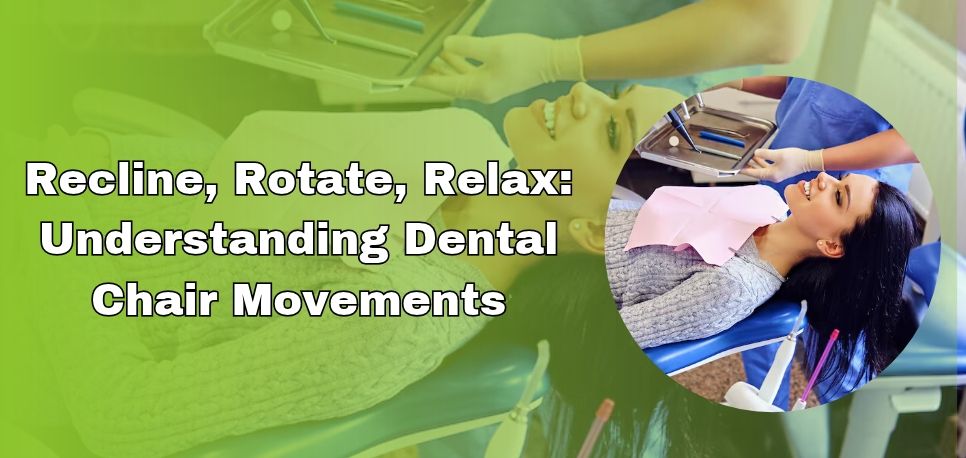
Recline Rotate Relax Understanding Dental Chair Movements
Modern dental chairs are designed to provide comfort, flexibility, and efficient positioning during different dental procedures. The ability to recline, rotate, raise, and adjust various parts of the chair allows dental professionals to position patients appropriately while maintaining better access to the treatment area. Understanding dental chair movements can help dentists and dental staff use their equipment more effectively and create a comfortable experience for patients.
Different dental procedures may require different patient positions. Routine examinations, cleanings, restorative procedures, root canal treatments, and surgical procedures can all benefit from appropriate chair positioning. Modern dental chairs offer multiple adjustment options that allow clinicians to customise the working position according to the procedure and patient's comfort. At Oral Health Cart, dental professionals can explore a range of dental equipment designed to support modern clinical requirements.
Why Dental Chair Movements Are Important
Dental chair movements play an important role in creating an efficient treatment environment. Dentists often need to access different areas of the patient's mouth while maintaining a comfortable working posture. Adjustable chair positions allow the treatment area to be brought into a more suitable position without requiring the patient to move repeatedly.
Proper positioning can also contribute to patient comfort during longer procedures. A suitable chair position may help reduce unnecessary pressure on the patient's back and neck while giving the dental professional better visibility and access.
Important benefits of adjustable dental chair movements include:
-
Improving access to the treatment area.
-
Supporting better patient positioning during different procedures.
-
Helping dental professionals maintain a more comfortable working posture.
-
Reducing the need for frequent patient repositioning.
-
Enhancing overall comfort and convenience during treatment.
Understanding the functions available on a dental chair helps dental teams use the equipment efficiently and select the appropriate position for each clinical situation.
Understanding the Reclining Function
The reclining function is one of the most commonly used movements in a dental chair. It allows the backrest to move from a more upright position to a reclined or nearly horizontal position. This movement helps dental professionals achieve better visibility and access to the patient's oral cavity.
An upright or semi-upright position may be suitable for consultations, patient communication, and certain examinations. During many treatment procedures, however, reclining the patient can provide the dentist with a more convenient working angle.
When using the reclining function, dental professionals should consider the patient's comfort and physical condition. Movements should be smooth and controlled, and the patient should be informed before significant adjustments are made.
Key considerations when using the reclining function include:
-
Adjust the backrest gradually rather than making sudden movements.
-
Ensure the patient's head and neck remain comfortably supported.
-
Consider the patient's mobility and individual comfort requirements.
-
Check that dental instruments and other equipment remain safely positioned.
-
Return the chair to a suitable position carefully after treatment.
Proper use of the reclining function can make treatment positioning easier while contributing to a more comfortable dental experience.
How Dental Chair Rotation Improves Accessibility
Some dental chairs include rotation or swivel functionality that allows the chair or selected components to move around a central axis. This feature can provide greater flexibility when positioning the patient or accessing different areas around the dental operatory.
Rotation can be particularly useful when the dental professional needs to change the working angle without completely repositioning the patient. It may also make it easier to move the patient into or away from the treatment area, depending on the design of the dental chair.
Before rotating a dental chair, the dental team should ensure that there is sufficient space around the unit and that hoses, cables, instruments, and other equipment are not obstructing movement.
Important precautions include:
-
Check the surrounding area before rotating the chair.
-
Keep cables, tubing, and instruments clear of moving components.
-
Use the chair controls according to the manufacturer's instructions.
-
Move the chair smoothly to avoid unnecessary discomfort.
-
Ensure the chair is stable before beginning treatment.
When used correctly, rotation can add flexibility to the dental operatory and support more efficient treatment positioning.
Adjusting Dental Chair Height for Better Treatment
Height adjustment is another important movement available in many modern dental chairs. Raising or lowering the chair allows dental professionals to find a suitable working height for different procedures and working positions.
A properly adjusted chair height can help dentists maintain a more comfortable posture while working. It can also make it easier to position dental instruments and other equipment within convenient reach.
For patients, height adjustment can make getting onto and off the dental chair easier, particularly for individuals who may have difficulty stepping onto a higher surface.
Dental professionals should adjust the chair height carefully and ensure that the patient is comfortable before beginning treatment. The chair should also be positioned so that movement of surrounding equipment does not create an obstruction or safety concern.
Using Headrest and Leg Support Adjustments
In addition to the main chair movements, headrest and leg support adjustments can contribute significantly to patient positioning. An adjustable headrest can help support the patient's head and provide a more suitable angle for different dental procedures.
Headrest positioning is particularly important because the dentist often needs precise access to different areas of the oral cavity. Small adjustments can help improve visibility while maintaining patient comfort.
Leg and foot support may also contribute to a more relaxed position, especially during longer procedures. Depending on the dental chair design, these components may be adjusted independently or as part of the overall chair movement.
Before starting treatment, dental professionals should check that:
-
The patient's head is comfortably supported.
-
The neck is not placed under unnecessary pressure.
-
The legs and feet are positioned comfortably.
-
The patient can communicate discomfort easily.
-
All adjustable components are securely positioned.
These small adjustments can make a significant difference to the overall treatment experience.
Common Mistakes to Avoid When Adjusting Dental Chairs
Although dental chair movements are designed to improve convenience and treatment efficiency, incorrect use can lead to discomfort or equipment-related problems. Dental professionals should avoid making sudden movements, operating controls without checking the surrounding area, or exceeding the chair's recommended operating limits.
Another common mistake is failing to explain chair movements to the patient. Patients may feel uncomfortable or anxious if the chair suddenly reclines, rises, or changes position without warning. Communicating with the patient before significant movements can help create a more comfortable treatment experience.
Dental teams should also regularly inspect moving components, controls, upholstery, and mechanical parts according to the manufacturer's maintenance recommendations. Any unusual noise, resistance, or movement should be assessed rather than ignored.
Regular maintenance and proper staff training can help dental clinics maintain reliable chair performance and reduce avoidable equipment issues.
Choosing the Right Dental Chair with Oral Health Cart
Selecting the right dental chair is an important decision for any dental practice. Clinics should consider factors such as movement options, patient comfort, ergonomic design, control systems, upholstery quality, ease of maintenance, and compatibility with the overall dental operatory.
At Oral Health Cart, dental professionals can explore dental chairs and other essential dental equipment designed to support modern clinical requirements. Choosing equipment with suitable adjustment functions can help dental teams create an organised and efficient treatment environment.
When comparing dental chairs, clinics should consider the type of procedures performed regularly, available operatory space, ease of operation, patient accessibility, and manufacturer maintenance recommendations. These factors can help practices select equipment that meets their everyday clinical needs.
Understanding dental chair movements is essential for making the most of modern dental equipment. From reclining and rotating to adjusting height, headrest, and leg support, each movement can contribute to better positioning, accessibility, and patient comfort.
By learning how to use these functions correctly and following the manufacturer's recommendations, dental professionals can create a smoother and more comfortable treatment experience. With suitable dental chairs and equipment from Oral Health Cart, dental practices can support efficient workflows while maintaining a comfortable and professional clinical environment.
Categories: Impression Trays


Certifications & Registrations
Our business registrations and compliance credentials reflect our commitment to quality, reliability and professional standards.