Shop By Brands
 All Products
 Sales and Support
Improving Equipment Performance with the Right Air Compressor
Improving Equipment Performance with the Right Air Compressor
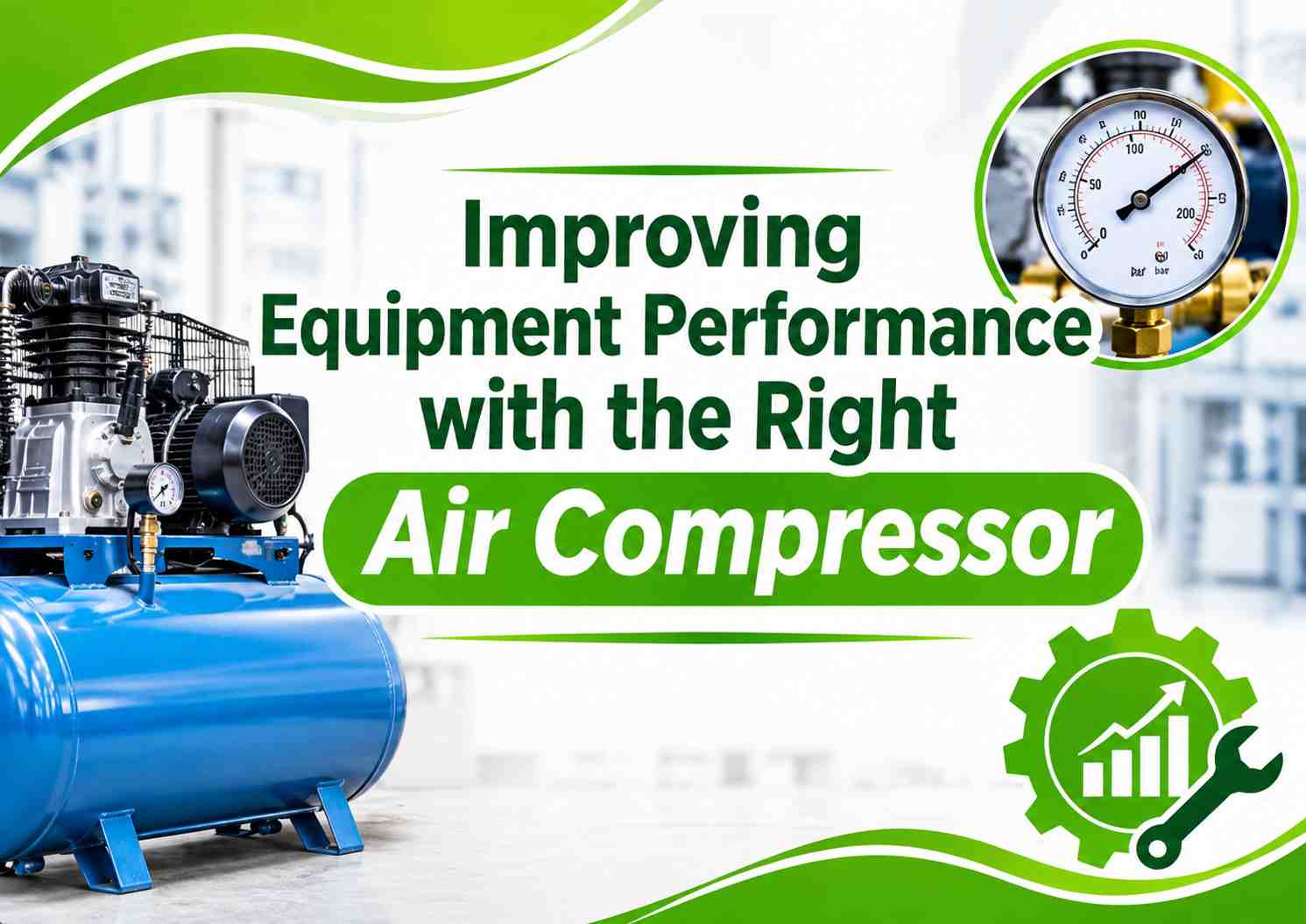
Improving Equipment Performance with the Right Air Compressor
An air compressor plays an important role in maintaining the performance and efficiency of equipment across various industries. In dental clinics, laboratories, workshops, and commercial facilities, compressed air is used to operate different tools and machines. Choosing the right air compressor can improve equipment performance, reduce operational interruptions, and support long-term reliability. However, selecting an unsuitable compressor may lead to inconsistent air pressure, increased maintenance requirements, and reduced equipment efficiency.
Understanding the different types of air compressors and their features can help businesses make informed purchasing decisions. Factors such as airflow capacity, pressure requirements, air quality, energy consumption, and maintenance should be considered before selecting a suitable model.
Understanding the Role of an Air Compressor in Equipment Performance
An air compressor converts power into compressed air, which is then supplied to machines and equipment that require pneumatic operation. Consistent airflow and pressure are essential for maintaining the proper functioning of air-powered tools. When the compressor delivers the required air supply, equipment can operate smoothly and efficiently.
Different applications require different compressor specifications. For example, dental clinics generally need clean, dry, and oil-free compressed air to support dental equipment and maintain hygiene standards. Industrial workshops may require compressors with higher airflow capacity to operate multiple pneumatic tools simultaneously.
Common Types of Air Compressors
- Oil-Free Air Compressors: These compressors deliver air without oil contamination and are suitable for applications where air purity is important, including dental and medical environments.
- Oil-Lubricated Air Compressors: These use oil for lubrication and are commonly used in applications requiring durable and continuous operation.
- Piston Air Compressors: These compressors use a piston mechanism to compress air and are suitable for small to medium-scale applications.
- Screw Air Compressors: These are designed for continuous air supply and are commonly used in industrial environments with higher compressed-air demands.
Important Factors to Consider When Choosing an Air Compressor
Selecting the right compressor requires evaluating the operating requirements of the equipment. A compressor that does not meet the required specifications may struggle to maintain consistent performance. Before purchasing, consider the following factors:
1. Air Pressure and Flow Capacity
Every machine has specific pressure and airflow requirements. The compressor should provide sufficient pressure, measured in PSI or bar, along with the required airflow capacity, generally measured in CFM or litres per minute. Choosing the correct specifications helps prevent performance issues and ensures reliable operation.
2. Air Quality and Filtration
Air quality is particularly important in dental, medical, and laboratory applications. Moisture, dust, and oil contamination can affect equipment performance. A suitable filtration and drying system helps maintain cleaner compressed air and protects connected machinery.
3. Tank Capacity
The air receiver tank stores compressed air and helps manage fluctuations in demand. A suitable tank capacity can support consistent air delivery, especially when multiple tools or machines are operating. The required capacity depends on equipment usage and the overall air demand.
4. Energy Efficiency and Noise Levels
Energy consumption directly affects the operating cost of a compressor. Choosing an energy-efficient model can help reduce electricity expenses over time. Noise levels should also be considered, particularly in dental clinics and other professional environments where a quieter working atmosphere is preferred.
Maintenance Practices to Improve Compressor Performance
Regular maintenance helps maintain the efficiency, reliability, and service life of an air compressor. Even a high-quality compressor may experience performance problems if it is not inspected and maintained properly.
- Clean or Replace Air Filters: Dirty filters can restrict airflow and reduce compressor efficiency. Inspect filters regularly and replace them when required.
- Drain Moisture from the Tank: Moisture can accumulate inside the air receiver tank. Draining it regularly helps reduce the risk of corrosion and water contamination.
- Check for Air Leaks: Leaks in pipes, hoses, and connections can result in pressure loss and unnecessary energy consumption.
- Monitor Operating Pressure: Ensure that the compressor operates within the pressure range recommended by the equipment manufacturer.
- Inspect Electrical Components: Check wiring, switches, and other electrical components to identify potential issues early.
- Schedule Professional Servicing: Periodic inspection and servicing can help identify mechanical problems before they affect daily operations.
Conclusion
Choosing the right air compressor is essential for maintaining equipment performance, improving operational efficiency, and reducing unnecessary maintenance costs. Factors such as pressure, airflow capacity, air quality, tank size, energy consumption, and maintenance requirements should be evaluated before making a purchase. Regular servicing and proper usage can further improve compressor reliability and extend its operational life.
For suitable dental equipment and related solutions, Oral Health Cart provides a range of products to support professional dental practices. Selecting appropriate equipment from a reliable source can help clinics maintain efficient and dependable operations.
Categories: Crown Remover


Certifications & Registrations
Our business registrations and compliance credentials reflect our commitment to quality, reliability and professional standards.