
 Shop By Brands
 All Products
 Clinic Setups
 Sales and Support
Designing for Accessibility Dental Chairs for All Patients
Designing for Accessibility Dental Chairs for All Patients
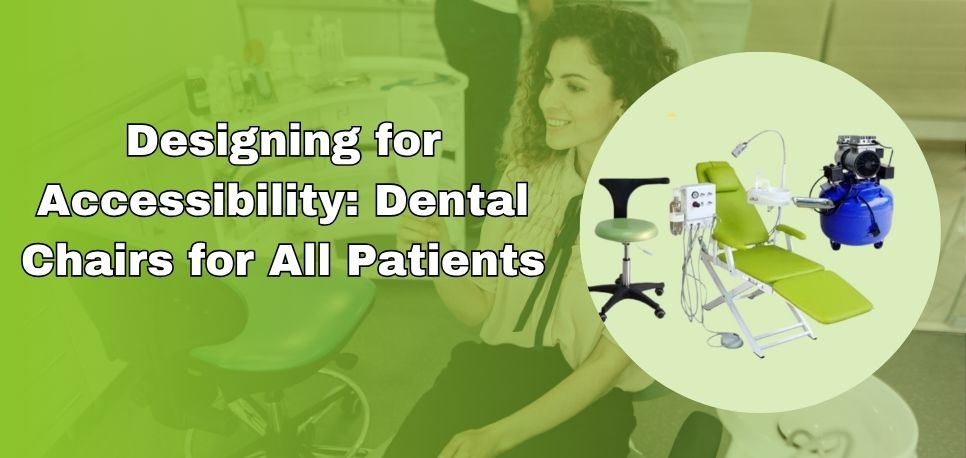
Designing for Accessibility Dental Chairs for All Patients
In today’s evolving healthcare environment, accessibility is no longer a luxury—it’s a necessity. Dental clinics, in particular, must cater to a diverse range of patients, including the elderly, people with disabilities, and those with mobility challenges. At the heart of this inclusive approach lies one essential piece of equipment: the dental chair.
Modern solutions offered by Oral Health Cart highlight how thoughtful design and technology can transform dental care into a more comfortable, accessible, and patient-friendly experience.
Why Accessibility Matters in Dental Care
For many patients, visiting the dentist can already be stressful. Now imagine adding physical barriers—difficulty getting into a chair, lack of support, or discomfort during long procedures. These challenges can discourage people from seeking timely dental care.
Accessible dental chairs address these issues by ensuring that every patient, regardless of physical ability, can receive treatment safely and comfortably. When clinics prioritize accessibility, they not only improve patient satisfaction but also build trust and long-term relationships.
Understanding Accessible Dental Chair Design
Accessible dental chairs go beyond basic functionality. They are designed with inclusivity in mind, focusing on ease of use, safety, and adaptability.
One of the most important aspects is entry and exit accessibility. Chairs with lower entry heights make it easier for patients to transfer from wheelchairs or walkers, reducing the risk of injury and strain for both patients and staff.
Another important factor is how much weight it can handle and how stable it stays during use. A truly inclusive chair accommodates a wide range of body types, ensuring durability and safety during procedures.
Ergonomics: Comfort for Every Body
Ergonomic design plays a central role in accessibility. Modern dental chairs are built to support the natural posture of the body, reducing discomfort during procedures that may last for extended periods.
Features such as adjustable headrests, reclining backrests, and memory foam cushioning allow dentists to customize the chair according to each patient’s needs. These adjustments not only enhance comfort but also improve treatment efficiency by giving dentists better access and visibility.
For patients with chronic pain or limited mobility, this level of customization can make a significant difference. A well-designed chair minimizes pressure points and promotes relaxation, turning a stressful visit into a more manageable experience.
Technology Enhancing Accessibility
The latest generation of dental chairs integrates smart technology to further improve accessibility. Automated controls, programmable memory settings, and smooth motorized movements allow precise positioning with minimal effort.
These advancements ensure that patients are repositioned gently and quietly, reducing anxiety and physical strain. Some chairs even offer zero-gravity positioning, which distributes body weight evenly and enhances comfort during longer treatments.
For dental professionals, hands-free controls and foot pedals maintain hygiene while enabling quick adjustments, creating a seamless workflow.
Designing for Special Needs Patients
Accessibility also means considering patients with specific requirements. For example:
-
Wheelchair users benefit from chairs that align closely with wheelchair height for easier transfer.
-
Elderly patients need stable support and gentle reclining mechanisms.
-
Patients with anxiety or sensory sensitivities prefer quiet, smooth-operating chairs with minimal vibration.
By addressing these needs, dental clinics can create an environment where every patient feels respected and cared for.
The Business Case for Accessibility
Investing in accessible dental chairs is not just about compliance—it’s a smart business decision. When patients feel comfortable, they are more likely to come back for follow-up visits and also recommend the clinic to others.
Additionally, ergonomic and accessible designs reduce physical strain on dental professionals, lowering the risk of long-term injuries and improving productivity. This leads to a more efficient practice and better overall outcomes.
Moving Toward Inclusive Dental Practices
The future of dentistry lies in inclusivity. As patient expectations continue to rise, clinics must adapt by investing in equipment that prioritizes accessibility and comfort.
Platforms like Oral Health Cart are helping clinics stay ahead by offering modern dental chairs designed with both patients and practitioners in mind.
Designing for accessibility in dental chairs is about more than just meeting standards—it’s about creating a welcoming space for everyone. By combining ergonomic design, advanced technology, and patient-centered thinking, dental practices can ensure that no patient feels left behind.
In the end, accessible dental chairs are not just tools—they are a reflection of a clinic’s commitment to care, inclusivity, and excellence.
Categories: Equipments


Certifications & Registrations
Our business registrations and compliance credentials reflect our commitment to quality, reliability and professional standards.

